
 By
By 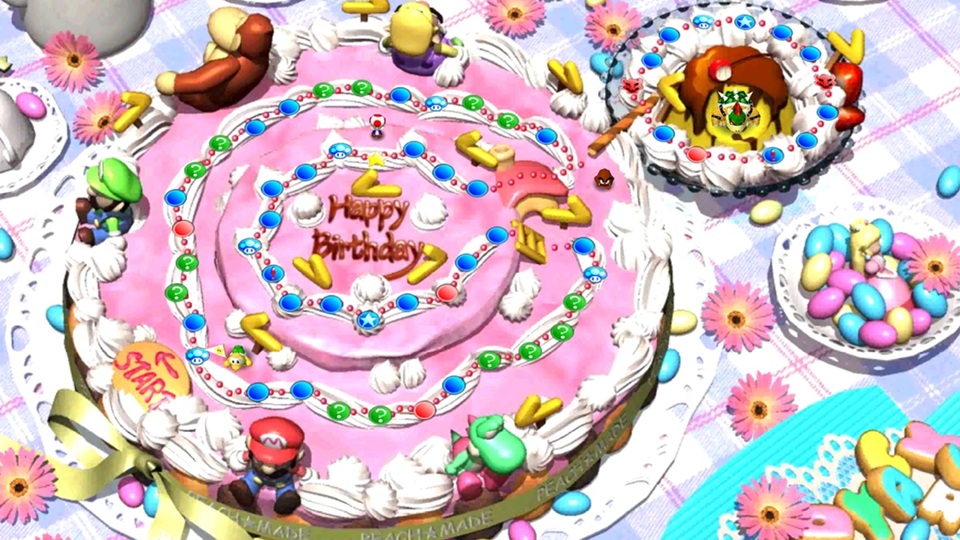
The Mario cake phenomenon represents far more than a fleeting party trend, it marks a decisive moment when digital culture fundamentally transformed how families commemorate childhood milestones, creating new traditions that bridge generational divides. Like the adoption of birthday cakes themselves in the nineteenth century, this convergence of gaming iconography with celebratory ritual reveals profound shifts in how communities construct meaning around shared cultural touchstones.
This transformation follows a familiar historical pattern: the domestication of commercial entertainment. Just as Victorian families adapted theatrical traditions for parlour games, contemporary parents have transformed Nintendo’s digital landscapes into edible celebrations.
The Historical Context of Character-Based Celebrations
The emergence of Mario-themed cake follows a recognisable trajectory. Throughout the twentieth century, commercial characters gradually infiltrated domestic celebrations, from Mickey Mouse parties in the 1930s to Star Wars gatherings in the 1980s. Yet the Mario cake represents something qualitatively different: the first instance where interactive digital media became the foundation for hands-on creative expression.
This transition reflects broader democratising forces in technology and craft culture. The digital revolution that brought Mario into homes also provided unprecedented access to decorating tutorials, specialised tools, and global baking communities.
Key historical factors driving this transformation include:
• The maturation of the first generation to grow up with home gaming consoles
• The proliferation of online tutorial platforms enabling skill acquisition
• The expansion of specialty baking supplies to mainstream retail markets
• The rise of social media as a platform for showcasing domestic creativity
Cultural Transmission and Ritual Innovation
Mario cake creation exemplifies “invented tradition”, practices that appear ancient but emerge from recent cultural negotiations. Parents who spent their childhoods navigating the Mushroom Kingdom now translate those digital memories into tangible celebrations for their offspring.
Unlike traditional practices passed through family networks, Mario cake techniques spread through online communities, transcending geographical boundaries. A technique perfected in suburban Manchester influences a rural Scottish celebration within days.
The role of imperfection in these creations deserves particular attention. Unlike mass-produced licensed merchandise, handmade Mario cakes bear the marks of their makers, slightly crooked pipes, asymmetrical moustaches, and colour variations that reflect individual interpretation rather than corporate specifications. These imperfections become markers of authenticity, distinguishing loving labour from commercial production.
Regional Variations and Global Adaptation
The global spread of Mario cake culture demonstrates how universally recognisable symbols adapt to local celebratory traditions. Singapore’s vibrant baking community has particularly embraced these designs, with local pastry enthusiasts noting that “Mario cakes have become cultural bridges in our multicultural society, allowing families from different backgrounds to participate in shared celebratory language whilst maintaining their own traditional elements.”
These variations suggest that Mario cake creation functions as cultural translation, communities adopting recognisable symbols whilst infusing them with local meaning.
The Economics of Domestic Creativity
From an economic historian’s perspective, the Mario cake phenomenon illustrates significant shifts in household labour allocation. The time investment required for elaborate character cakes, often 6-12 hours of concentrated work, represents a substantial commitment of domestic resources typically invisible in formal economic accounting.
Yet this labour investment reflects changing conceptions of parental responsibility and childhood enrichment. The hours spent perfecting buttercream techniques or troubleshooting fondant applications represent a form of care work that previous generations might have outsourced or simplified through purchased alternatives.
The skill acquisition involved mirrors patterns familiar from other historical moments of technological transition. Just as nineteenth-century families learned photography or early twentieth-century households adopted radio repair, contemporary parents acquire decorating competencies that would have required professional training in earlier eras.
Technological Mediation and Creative Expression
The role of digital platforms in Mario cake culture cannot be overstated. YouTube tutorials, Pinterest inspiration boards, and Facebook community groups have created unprecedented infrastructure for skill sharing and creative development. This represents a fundamental shift from traditional apprenticeship models toward distributed, peer-to-peer learning networks.
Social media documentation transforms these cakes from ephemeral celebrations into permanent cultural artefacts. The photograph of a child’s Mario cake becomes part of family archives whilst simultaneously contributing to broader cultural documentation of contemporary domestic practices.
Generational Memory and Cultural Continuity
Perhaps most significantly, Mario cake creation enables a unique form of generational connection. Parents recreating characters from their own childhoods participate in what historians call “memory work”, the active construction of continuity across time periods marked by rapid technological change.
These cakes function as material bridges between digital and physical experience, between individual and communal memory, between commercial culture and domestic creativity. Children receiving Mario cakes inherit not just sugar and flour confections but connections to their parents’ formative experiences and broader cultural narratives.
The learning process involved in Mario cake creation often becomes as valuable as the final product. Families report that the collaborative elements, children helping mix colours, elderly relatives offering decorating advice, extended networks sharing supplies and expertise, generate lasting memories that extend far beyond the celebration itself.
Future Trajectories and Cultural Legacy
As we consider the long-term significance of this phenomenon, parallels with earlier cultural innovations become apparent. Just as the adoption of Christmas trees or birthday candles once marked significant shifts in domestic ritual practice, Mario cake culture may represent an early indicator of how digital experiences will continue reshaping physical celebrations.
The skills, networks, and creative confidence developed through Mario cake projects often extend into other areas of domestic creativity. Parents report discovering broader interests in baking, decorating, and crafting that began with character cake attempts, suggesting these projects function as gateways to expanded creative practice.
Looking forward, we might anticipate continued evolution as new gaming franchises capture cultural imagination and as technologies like 3D printing or augmented reality create new possibilities for celebration enhancement.
The enduring appeal of these edible monuments to digital culture suggests that human creativity will continue finding ways to materialise virtual experiences, ensuring that future historians will recognise the cultural significance embedded in every lovingly crafted Mario cake.


Comments