
 By
By 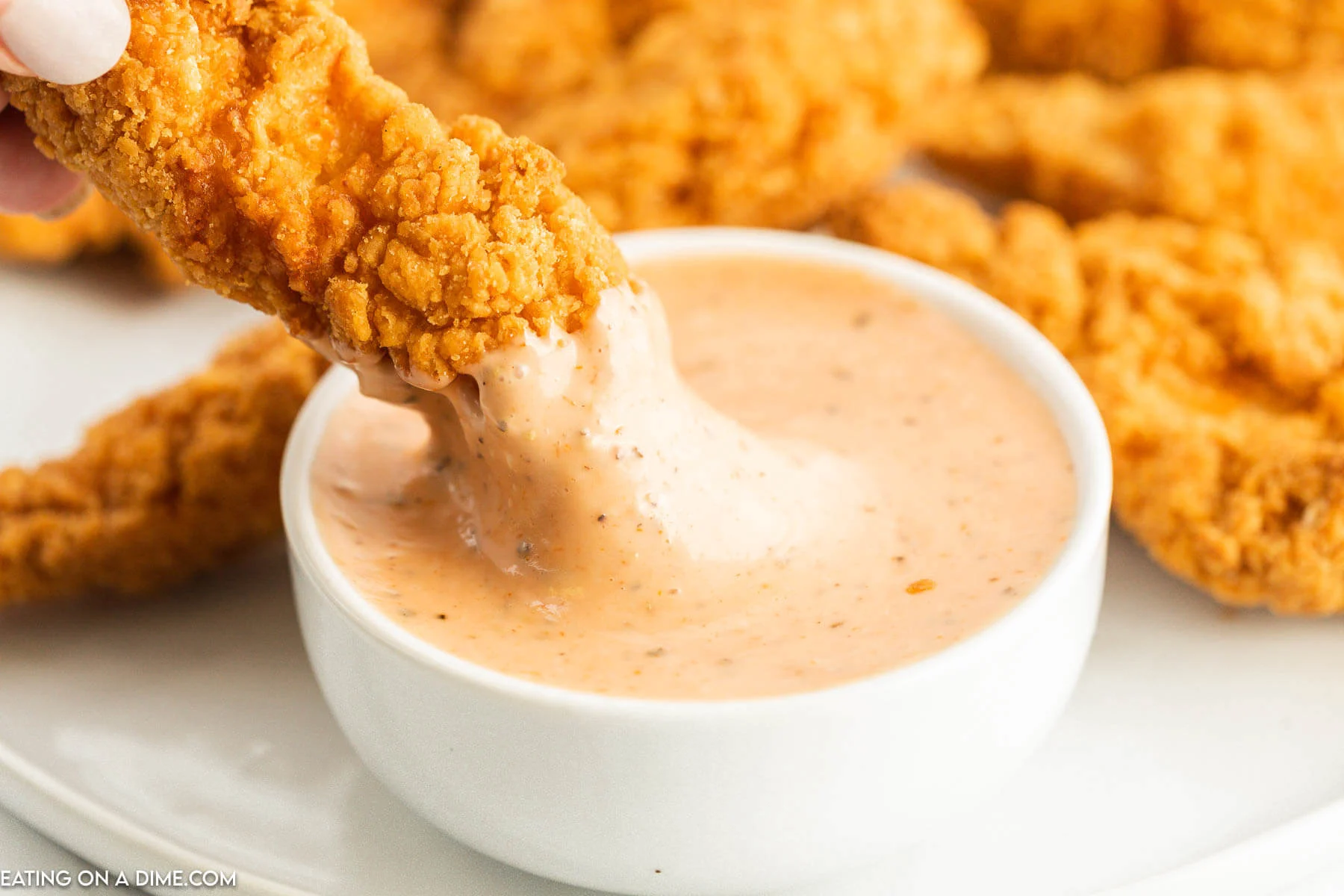
The truth is, the sauce you choose plays a key role in your dining experience. You can have perfectly crispy fries, best-cooked steak, or a well-made burger, but everything will be out of balance if the sauce is off.
But the story changes when you find the perfect sauce. It just makes everything click. Depending on the restaurant you’re buying from, they might recommend one or two sauces that pair well with your order.
However, you need to have some tips up your sleeve to be able to make your call. And that’s what I’ll be sharing with you in this guide.
Tips for Choosing the Right Sauce for Your Meal
1. Know Your Flavor Personality
What kind of flavors do I like? That’s the first question you should ask yourself before you start reaching for sauce bottles. Do you like your meals bold or tangy? Do you want something mellow or creamy?
Many restaurant menus have all these options. For example, the Jack in the Box secret sauce menu has multiple sauce options that pair well with all the items on their menu.
Here’s how to figure out what you need:
- If you love heat: Go for buffalo, sriracha, chipotle mayo, or spicy ranch.
- If you like tangy and fresh: Try vinaigrettes, lemony dressings, or mustard-based sauces.
- If you’re into rich and smooth: Think ranch, aioli, or garlic butter.
- If you crave sweet and smoky: You can’t go wrong with honey barbecue or teriyaki.
Once you know your preferences, it’s easier to mix and match without overwhelming your meal.
2. Match the Sauce to the Protein
This is where the fun begins. Sauces are not there to overpower whatever you’re pairing them with. The right sauce will always bring out the natural flavor of your meal rather than covering it up.
- Chicken: Chicken is like a blank canvas; you can build anything on it. It pairs well with various sauces, including buffalo, ranch, barbecue, garlic parmesan, honey mustard, and more. You can opt for teriyaki or lemon herb if you want something light. A spicy sauce is for those who want to make their meals bold.
- Beef: Beef best pairs with heavier sauces like peppercorn, barbecue, or steak sauce. If I want to add a smoky kick to my beef, I pair it with chipotle mayo.
- Seafood: Lighter sauces are the best for seafood. Pair yours with lemon butter, garlic aioli, or tartar sauce and thank me later.
- Pork: You’d need something sweet for this. Opt for barbecue, honey mustard, or apple glaze. Those sauces will elevate the flavor of your pork.
Creating a balance is the secret here. Always pair heavier proteins with lighter sauces. You can amp things up a bit if your protein is mild. Check So Foody for more sauce variations from top restaurants.
3. Think About Texture
Not all sauces belong everywhere. Sometimes it’s about how they feel as much as how they taste.
Let’s say you’ve got crispy fries — they need something creamy like ranch or cheese sauce to complement that crunch. A juicy burger, on the other hand, can handle something thicker, like barbecue or aioli.
The goal is contrast. A good sauce should complete the bite, not compete with it.
4. Pair for Balance, Not Overload
You ever take a bite and all you can taste is sauce? That’s a sign you’ve gone too far. The best pairings feel like teamwork — neither one stealing the show.
If your dish is already rich (like a cheesy burger or fried chicken sandwich), pick a lighter sauce — maybe a bit of vinegar, mustard, or citrus. On the other hand, if your meal’s on the plainer side, don’t be afraid to go bold with buffalo or chipotle ranch.
Think of sauces like backup singers — they’re there to enhance the flavor, not take over the whole performance.
5. Don’t Be Afraid to Experiment
One of the best parts about sauces is that they’re easy to mix and match.
Ever tried ranch and barbecue together? Game changer. Spicy mayo mixed with a bit of honey? Sweet heat heaven. Sometimes you don’t even need to go all out — just add a drizzle of hot sauce over a creamy base to create something completely new.
I once mixed teriyaki with a touch of buffalo sauce (don’t ask why — I was just curious). Turns out, that weird combo was amazing on grilled chicken. The point is, you never know until you try.
6. Consider What You’re Drinking Too
Sauce pairings aren’t just about food — your drink plays a role too.
If you’ve got something spicy, go with a cool drink like lemonade or a milkshake to tone it down. If your meal’s sweet and tangy, a crisp soda or iced tea keeps things balanced. The idea is to let your drink refresh your taste buds between bites.
7. Mind the Temperature
Here’s something people don’t often think about: temperature changes flavor.
Hot sauces (literally) hit differently than cold ones. A warm garlic butter drizzle over pasta gives off an entirely different vibe than cold ranch on fries. Sometimes, heating or chilling your sauce a little can elevate your meal in ways you didn’t expect.
Conclusion
Food should be enjoyable, not complicated. Choosing the right sauce is about enhancing your meal, experimenting a little, and having fun along the way.
So next time you sit down to eat, don’t just grab whatever’s on the table out of habit. Think about what you’re eating, how you’re feeling, and what flavor could take it to the next level. Then go for it.Because let’s be honest — the right sauce doesn’t just make food taste better. It makes the whole meal worth remembering.











Comments