
 By
By 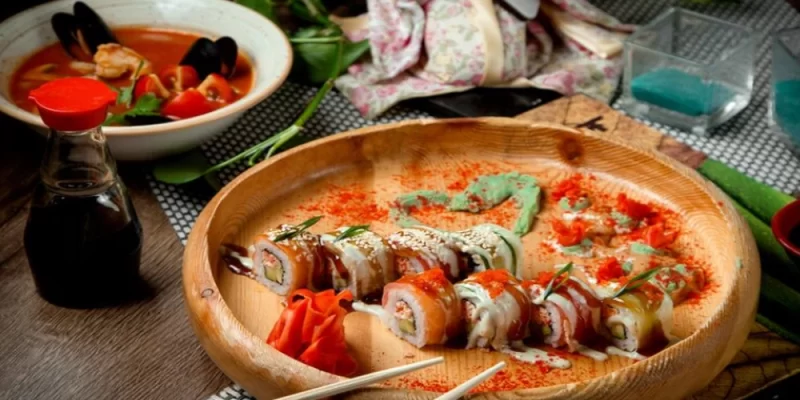
The food culture of Japan is typically described as delicate and refined however it is very local. Geography, climate and the local food sources have shaped the unique cuisines of the country. Moving from the cold northern region in Hokkaido and on to the warm shores of southern Kyushu is like traveling across different culinary realms. Learning about local Japanese cuisine reveals the reasons the reason why Japan’s food is so diverse and fascinating.
Hokkaido A Hearty Flavor for Cold Weather
Hokkaido’s winters are long and require delicious, warm food. Hokkaido is known for its seafood, dairy and flavorful dishes which provide warmth in the frigid winter air.
A well-known dish is Jingisukan which is a grilled mutton or lamb recipe cooked in the domed pan of metal. The meat is served with onions, cabbage beans, bean sprouts, and a sweet-savoury sauce. The name derives in the form of Genghis Khan, referring to the cuisine’s Mongolian-inspired method of grilling. Jingisukan is still a popular food for gatherings, especially in winter.
Hokkaido is also famous for its miso ramen as well as sweet scallops, buttery corn and creamy soft-serve cream, all the products from its abundant agricultural resources.
Tohoku and Kanto The Craftsmanship and Tradition of Kanto
As you move south to To the Tohoku region, the flavors are traditional and hearty. The dishes often include preserved food along with fermented flavours, as well as mountain vegetables that are a reflection of the region’s roots in agriculture.
In the Kanto region, which is anchored by Tokyo is a crossroads for food. In this region, traditional Edo-style dishes were created, such as soy-forward broths and easy grilling recipes. Sushi was a popular cuisine in this region, initially to be a quick snack for urban workers. Nowadays it is the Kanto region has some of the most refined examples that are typical of the region. Japanese food, which combines tradition and innovation.
Chubu and Kansai where Comfort meets Refinement
The Chubu region blends seafood from the coast with inland mountain food. Nagoya’s fiery miso-based dishes such as miso nikomi and miso katsu Udon, showcase the region’s passion for rich spices.
Kansai is the home of Osaka and Kyoto Kansai, is the perfect place to experience a radical change in the way of eating. Osaka offers the casual street food scene and the hearty comfort foods. Hiroshima Oknomiyaki is an excellent illustration. In contrast to its Kansai counterpart Hiroshima-style okonomiyaki layer ingredients, not mixing the ingredients. A thin batter, cabbage noodles, pork, and eggs are stacked into an incredibly delicious, hot and delicious dish that cooks in front of the eyes of the eater.
Kyoto is, in contrast, places emphasis on seasonal elegance. Kaiseki eating, tofu dishes and subtle tastes are a reflection of centuries of courtly tradition as well as Buddhist influence.
Chugoku and Shikoku Chugoku and Shikoku: Coast Simplicity
In the western Honshu zone of Chugoku is home to freshly caught seafood and citrus fruit and grilling methods that are simple. The island that is nearby Shikoku is famous for its udon noodles, broths that are light and dishes that focus on the purity of taste.
The sea is an important role in the development of the regional Japanese food. It offers everything from sea bream to octopus cooked in a controlled manner and with precision.
Kyushu: Warm, Bold and soulful
Kyushu’s southern area is home to warmer temperatures and more intense flavors. It is also the birthplace of Hakata Ramen, which is the most well-known noodles. The creamy broth of pork thin noodles, as well as its the rich aroma are a staple of the perfect comfort food for millions of people. Fast and quick to eat, Hakata ramen embodies Kyushu’s energetic food culture.
Kyushu also has the roe of cod that is spicy, as well as rich stews, as well as sweet soy-based sauces that provide its cuisine a distinct depth.
What is the reason Regional Japanese Food is Important
Every region’s food tells a story about its inhabitants, the environment and the past. Climate influences preservation methods. Geography determines available ingredients. Local traditions influence how meals are cooked and consumed. Together, these aspects provide the unique variety that is of the region of Japanese food.
Final Thoughts
From Hokkaido’s warming barbecues to Kyushu’s bold soups regional Japanese cuisine is a reflection of a nation which is deeply connected to its homeland. It’s not only about eating food, but also being a part of the culture, tradition and the sense of community that is present in every bite.
This post was written by a professional at Fortu. Fortu stands out among the top Restaurants St Petersburg FL, offering an elevated Pan-Asian dining experience in the heart of St. Petersburg, Florida. Celebrating Asia’s vibrant and diverse culture, Fortu introduces bright and bold flavors to a bright and bold city with a menu of locally and sustainably sourced options, from small bites to hearty delicacies. Whether winding down from a beach day or celebrating a special occasion, guests can enjoy a lush, alluring atmosphere and an authentic taste of Asia’s divine cuisine at one of the finest Pan-Asian Restaurant In Downtown St Petersburg FL.








Comments