
 By
By 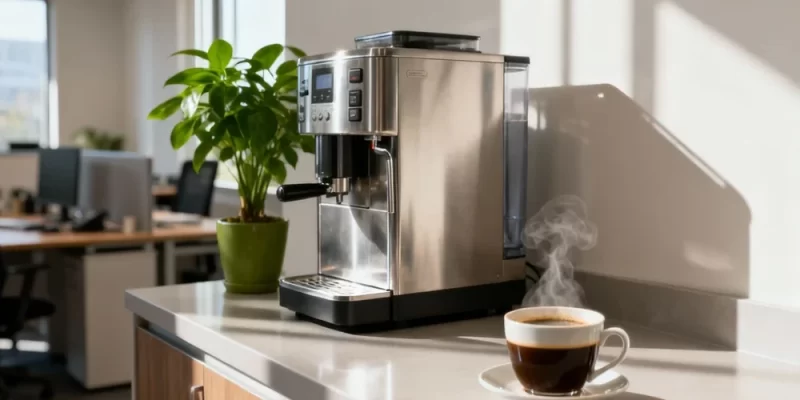
A vending coffee system can serve hundreds of drinks without a trained barista, but convenience alone does not guarantee a successful installation. People quickly form an opinion of workplace or visitor coffee, and a machine that produces thin, inconsistent or frequently unavailable drinks soon becomes an expensive object that users avoid.
Choosing the coffee requires an understanding of the machine, the audience and the daily operating routine. Facilities teams need to balance taste with refill frequency, cleaning, cost control and the ability of non-specialist staff to keep the system working.
Identify the machine format before selecting ingredients
Traditional instant vending, fresh-brew systems and bean-to-cup machines use different products and create different expectations. The coffee must be designed for the machine rather than chosen from a general retail range.
Instant vending ingredients prioritise rapid dissolution and consistency, while bean-to-cup equipment grinds whole beans for each drink and usually offers a fresher aroma.
Fresh-brew machines may use pre-ground coffee through a brewer unit. Each format has its own cleaning and calibration requirements.
Confirming compatibility first avoids poor performance, blocked components and wasted stock.
This part of the decision deserves attention because vending machine coffee and coffee beans are often purchased as isolated products even though the customer experiences them together. A useful plan connects product choice with preparation, service and the moment the drink is consumed. It is worth reviewing the decision in the normal service environment rather than relying only on a supplier description or a quiet tasting. Temperature, preparation time, cup size and the people using the product can all change whether the choice feels successful after repeated use.
Map users and dayparts
A staff kitchen may serve repeat users several times a day, whereas a customer lounge may serve occasional visitors who judge the drink as part of the organisation’s hospitality.
Warehouses and transport sites may experience sharp demand during shift changes. Offices may peak at arrival, mid-morning and after lunch.
Understanding who drinks the coffee and when helps determine strength, cup size, refill capacity and whether decaf or alternative drink options are needed.
A machine chosen for average daily volume can still fail if it cannot handle the busiest twenty minutes.
For UK buyers, the practical test is whether the choice remains workable after the first week. Stock movement, staff confidence and repeated drink quality reveal far more than an impressive one-off tasting. It is worth reviewing the decision in the normal service environment rather than relying only on a supplier description or a quiet tasting. Temperature, preparation time, cup size and the people using the product can all change whether the choice feels successful after repeated use.
Choose a flavour profile with broad appeal
Shared coffee should be recognisable and dependable. Very light, delicate coffees may divide users, while extremely dark profiles can taste harsh across repeated cups.
A balanced, medium-to-strong profile often works well because it can be served black or with vending whitener and still retain character.
Where whole beans are used, operators should test how the machine grinds and doses them. A suitable blend must perform consistently within automated parameters.
The goal is not blandness. It is a profile with enough character to be satisfying without excluding most users.
The strongest approach is to make one controlled change at a time and record the result. That prevents a problem in equipment, recipe or handling from being incorrectly attributed to the product itself. It is worth reviewing the decision in the normal service environment rather than relying only on a supplier description or a quiet tasting. Temperature, preparation time, cup size and the people using the product can all change whether the choice feels successful after repeated use.
Plan refill and storage routines
Ingredient capacity should match site volume and staff availability. Frequent empty hoppers create frustration, but overfilling can leave coffee exposed longer than necessary.
Stock needs a dry, secure storage area close enough for efficient refilling. First-in, first-out rotation prevents older cases from remaining at the back of the cupboard.
Named responsibility is important. When everyone assumes somebody else will refill or order, outages become predictable.
A simple weekly stock check can protect availability and make purchasing more accurate.
This is also where clear internal guidance helps. A short recipe or purchasing note can preserve the original intention when several people order, prepare or serve the product. It is worth reviewing the decision in the normal service environment rather than relying only on a supplier description or a quiet tasting. Temperature, preparation time, cup size and the people using the product can all change whether the choice feels successful after repeated use.
Cleaning is part of coffee quality
A premium ingredient cannot overcome a poorly maintained machine. Residue, milk powder build-up and stale grounds affect flavour and can cause faults.
Daily user-facing cleaning, scheduled internal cleaning and manufacturer-recommended maintenance should be documented clearly.
Bean-to-cup systems may require attention to brew units, waste containers and grinder areas, while instant machines have their own mixing bowls and delivery paths.
Assigning tasks by frequency makes maintenance manageable and prevents quality decline from being blamed on the coffee.
Commercial operators should include customer behaviour in the review. What people reorder, finish and recommend is often more useful than what attracts initial curiosity. It is worth reviewing the decision in the normal service environment rather than relying only on a supplier description or a quiet tasting. Temperature, preparation time, cup size and the people using the product can all change whether the choice feels successful after repeated use.
Control recipes and cup sizes
Automated machines still need recipe decisions. Coffee dose, water volume, whitener and sugar settings shape the finished drink and its cost.
A large cup with the same coffee dose as a smaller one will taste weak. Sites should configure sizes intentionally and review whether every option genuinely adds value.
Taste tests should include the standard machine cups and the ingredients users will select most often.
Locked, documented recipes prevent well-meaning adjustments from producing inconsistent results across weeks or locations.
Home users can apply the same logic on a smaller scale by choosing realistic pack sizes and testing the product in their normal mug, brewer and routine rather than under idealised conditions. It is worth reviewing the decision in the normal service environment rather than relying only on a supplier description or a quiet tasting. Temperature, preparation time, cup size and the people using the product can all change whether the choice feels successful after repeated use.
Measure performance after installation
Usage data can show popular drinks, peak periods and refill needs. Complaints reveal whether the issue is flavour, temperature, cup supply or machine availability.
Facilities teams should review waste containers and ingredient consumption to identify over-dosing or drinks that are selected but not finished.
A short user survey after the first month can guide practical refinements without reopening every decision.
Successful vending is an operating system, not a one-time equipment purchase.
No single specification solves every setting. Volume, audience, equipment and desired flavour all influence whether a decision is genuinely suitable. It is worth reviewing the decision in the normal service environment rather than relying only on a supplier description or a quiet tasting. Temperature, preparation time, cup size and the people using the product can all change whether the choice feels successful after repeated use.
Final thoughts
High-use vending works when the machine, ingredients and maintenance routine are treated as one system. Vending machine coffee needs to match the equipment and audience, while coffee beans used in bean-to-cup systems must remain stable under automated grinding and brewing. Clear ownership of recipes, cleaning and stock turns a convenient machine into a coffee offer people actually use.
Frequently asked questions
Can ordinary retail coffee be used in a vending machine?
Only if it is compatible with the machine type. Instant, fresh-brew and bean-to-cup systems require different ingredient formats.
What roast works best in a shared vending environment?
A balanced medium-to-strong profile often has broad appeal, but the correct choice should be tested in the actual machine with its standard drink recipes.
How often should a vending coffee machine be cleaned?
User-facing parts normally need frequent cleaning, with deeper tasks completed according to machine design and manufacturer guidance.








Comments