
 By
By 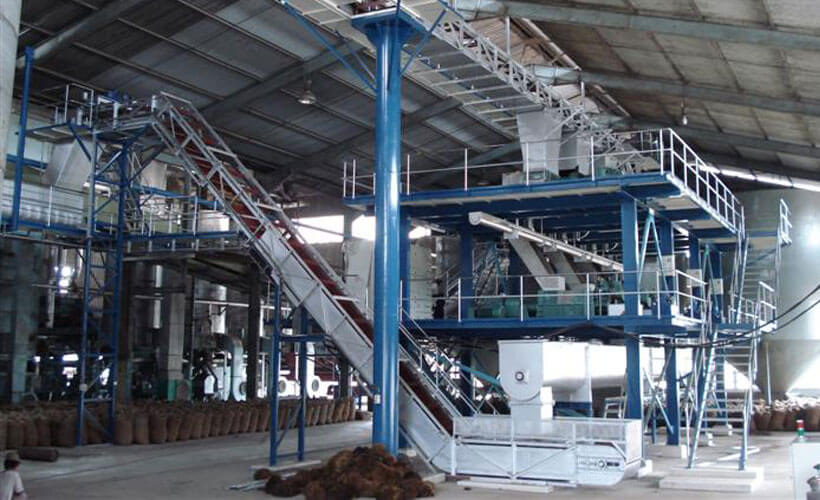
Refined, Bleached, and Deodorized (RBD) palm oil is a cornerstone ingredient in the global food industry. With its neutral flavor, high oxidative stability, and versatile semi-solid texture, RBD palm oil is found in everything from baked goods and snacks to margarine, spreads, and dairy alternatives. Behind the production of this vital ingredient lies a combination of innovative extraction processes and advanced refining systems, largely provided by experienced Palm Oil Machinery Manufacturers and supported by skilled Food Processing Equipment Suppliers.
This article explores how food processors utilize RBD palm oil, how modern production lines deliver consistent food-grade quality, and why integrating cutting-edge equipment is key to operational excellence and product performance.
What Is RBD Palm Oil?
RBD palm oil is produced through a multistage refining process that transforms crude palm oil (CPO) into a purified, food-grade oil. This process involves:
Refining (Degumming and Neutralization): Removes impurities such as phospholipids and free fatty acids (FFA).
Bleaching: Uses activated clay to absorb pigments and trace metals.
Deodorization: Applies steam distillation under vacuum to eliminate odors and volatile compounds.
The result is a clear, odorless, pale-yellow oil that is shelf-stable and ready for use in food applications. The quality of this oil—its purity, FFA level, and oxidative stability—depends heavily on the performance of the refining equipment.
The Role of Modern Equipment Lines in Producing RBD Palm Oil
Advanced palm oil refining lines supplied by Palm Oil Machinery Manufacturers integrate automation, hygiene control, and energy-efficient technologies to ensure that every drop of RBD palm oil meets global food safety standards. These systems include:
Continuous refining units for consistent oil quality and output
Energy recovery systems to reduce heat loss and operational costs
Inline monitoring devices to control color, FFA, and moisture in real time
Sanitary piping and CIP systems to maintain hygienic processing environments
By implementing these technologies, palm oil producers are able to meet the stringent requirements of international food processors and certification schemes such as HACCP, ISO 22000, and RSPO.
Applications of RBD Palm Oil in the Food Industry
RBD palm oil is prized for its stability and performance across a wide range of food applications. Food manufacturers around the world rely on it for:
1. Snack Food Frying
Its high smoke point and resistance to oxidation make RBD palm oil ideal for deep frying snacks such as potato chips, crackers, and extruded snacks. It ensures crispy textures, uniform browning, and extended shelf life.
2. Baking and Confectionery
In baked goods like cookies, cakes, and pastries, RBD palm oil provides the perfect structure and crumb softness. It is also used to produce shortenings and specialty fats for chocolate fillings and icings.
3. Margarine and Spreads
The semi-solid consistency of RBD palm oil at room temperature makes it suitable for creating spreadable products without hydrogenation, thus avoiding trans fats.
4. Instant Noodles and Ready Meals
Pre-fried noodle blocks and ready-to-eat meals use RBD palm oil for its stability, flavor retention, and ease of blending with other ingredients.
5. Non-Dairy Creamers and Vegan Alternatives
Its smooth mouthfeel and neutral taste make RBD palm oil ideal for use in non-dairy creams, sauces, and plant-based food formulations.
Integration of RBD Palm Oil into Food Production Lines
Once the RBD palm oil is refined, it must be efficiently stored, handled, and dispensed into food processing lines. Here, Food Processing Equipment Supplier play a crucial role by providing tailored systems that allow seamless oil integration into:
Mixers and dough blenders for baked goods
Continuous fryers for snack production
Filling machines and depositors for margarine and fillings
Homogenizers and emulsifiers for sauces and spreads
These systems ensure that the oil is consistently heated, filtered, and delivered in precise amounts, which is critical for recipe accuracy and product uniformity.
Advantages of Using RBD Palm Oil from Modern Equipment Lines
Food processors benefit significantly when their oil supply originates from modern, automated refining systems:
✅ Consistency: Oil produced from high-tech lines maintains uniform color, flavor, and performance across batches.
✅ Safety: Equipment designed with food-grade materials and sanitation systems ensures compliance with food safety regulations.
✅ Traceability: Digital control systems enable tracking of oil from source to finished product, supporting audits and certifications.
✅ Sustainability: Energy-efficient equipment minimizes waste, emissions, and water use, supporting corporate sustainability goals.
✅ Cost Efficiency: Higher yields and better oil stability reduce the need for additional processing and extend shelf life.
Role of Palm Oil Machinery Manufacturers
Reputable Palm Oil Machinery Manufacturers are at the heart of RBD palm oil production. They offer turnkey solutions that include:
Crude palm oil refining units (neutralization, bleaching, deodorizing)
Oil polishing, fractionation, and specialty fat production lines
Heat exchangers and vacuum systems for energy conservation
Modular plants that can be customized to meet specific capacity requirements
Digital automation and process control for precision and scalability
With global expertise and engineering support, these manufacturers ensure that every step of oil refining aligns with the evolving demands of the food industry.
Role of Food Processing Equipment Suppliers
On the application side, Food Processing Equipment Suppliers bridge the gap between oil refining and food product manufacturing. They design and supply:
Heated storage tanks and transfer pipelines for refined oils
Inline filtration and quality control systems
Metering and dosing systems for accurate recipe integration
Clean-in-place (CIP) systems for hygiene maintenance
Automation interfaces for recipe tracking and system diagnostics
By partnering with both sides of the supply chain, they ensure a smooth transition of oil from extraction to end product.
Conclusion
RBD palm oil continues to be a vital ingredient in modern food processing, and its performance depends largely on the technology used in its production. With support from innovative Palm Oil Machinery Manufacturers and expert Food Processing Equipment Suppliers, food processors today benefit from a reliable, safe, and efficient oil source that enhances both product quality and operational excellence.
As global food trends shift toward clean labels, plant-based diets, and sustainable sourcing, having access to high-quality RBD palm oil—produced and handled through modern equipment lines—is not just a competitive advantage, but a necessity for long-term success in the food industry.










Comments