
 By
Introduction
Miami’s food scene doesn’t really have one single identity, and that’s exactly the point. Decades of immigration from across Latin America, the Caribbean, and beyond have layered so many culinary traditions on top of each other that the city’s restaurants read almost like a map of its people. Looking at how that diversity actually shows up on menus and in neighborhoods helps explain why Miami’s dining culture feels so distinct from anywhere else in the country.
The cultural influences found throughout the city are a major reason the Miami dining scene feels so varied and dynamic. Restaurants often combine traditional recipes with contemporary techniques, while family-run eateries preserve dishes that have been passed down through generations. This balance between heritage and innovation allows different communities to maintain their culinary identities while also contributing to a broader food culture that continues to change with Miami’s diverse population.
Cuban Roots Still Run Deep
No single community has shaped Miami’s food identity more than the Cuban exiles who arrived starting in the 1960s. Little Havana grew directly out of that wave of immigration, and it remains the heart of the city’s Cuban food culture, with ventanitas serving cafecito and pastelitos to locals lining up along Calle Ocho. Dishes like ropa vieja, picadillo, and the classic Cuban sandwich aren’t treated as a novelty here, they’re daily staples woven into the rhythm of the city.
Haitian and Caribbean Communities Added Their Own Flavor
Alongside the Cuban influence, Haitian immigrants who settled in Miami starting in the 1970s brought their own distinct culinary traditions, blending French, African, and Caribbean influences into dishes like griot and pikliz. Black Bahamian immigrants contributed island staples like conch fritters and stewed fish that still show up in neighborhoods with deep ties to that heritage, adding yet another layer to the city’s already rich culinary map.
Latin American Diversity Goes Well Beyond Cuban Food
As Miami became an unofficial gateway to Latin America, immigrants from Venezuela, Colombia, Nicaragua, and Peru all brought distinct culinary traditions of their own. Venezuelan arepas, Peruvian ceviche, and Colombian specialties now sit comfortably alongside Cuban classics across the city, giving Miami a depth of Latin American cuisine that’s genuinely hard to find anywhere else outside the region itself.
Neighborhoods Reflect the City’s Culinary Patchwork
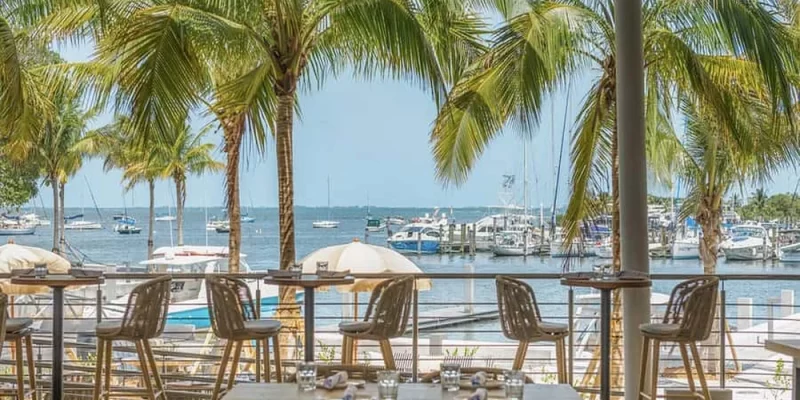
Beyond Little Havana, neighborhoods like Wynwood blend street art culture with more experimental, fusion-driven dining concepts, while areas like Coconut Grove lean into modern coastal cuisine built around South Florida’s seasonal ingredients. Each part of the city carries its own distinct culinary personality, shaped directly by whichever community has historically called that neighborhood home.
The Mix Keeps Evolving as New Communities Arrive
Miami’s culinary identity isn’t fixed in place either, newer waves of immigration continue to shift what shows up on menus across the city. Peruvian cuisine, for instance, has moved from a niche category into a genuine mainstream favorite in recent years, with cevicherias multiplying across neighborhoods that didn’t have them a decade ago, a sign that the city’s food culture is still actively being written.
Conclusion
Miami’s dining scene keeps evolving precisely because its population keeps bringing in new culinary traditions from around the world. From Little Havana’s decades-old Cuban institutions to newer Venezuelan and Peruvian spots reshaping menus across the city, that ongoing layering of cultures is what gives Miami’s food identity its real depth. It’s a dining scene built less around any single cuisine and more around the constant exchange between all of them.




Comments